
Who Wins, Who Loses—Revisited
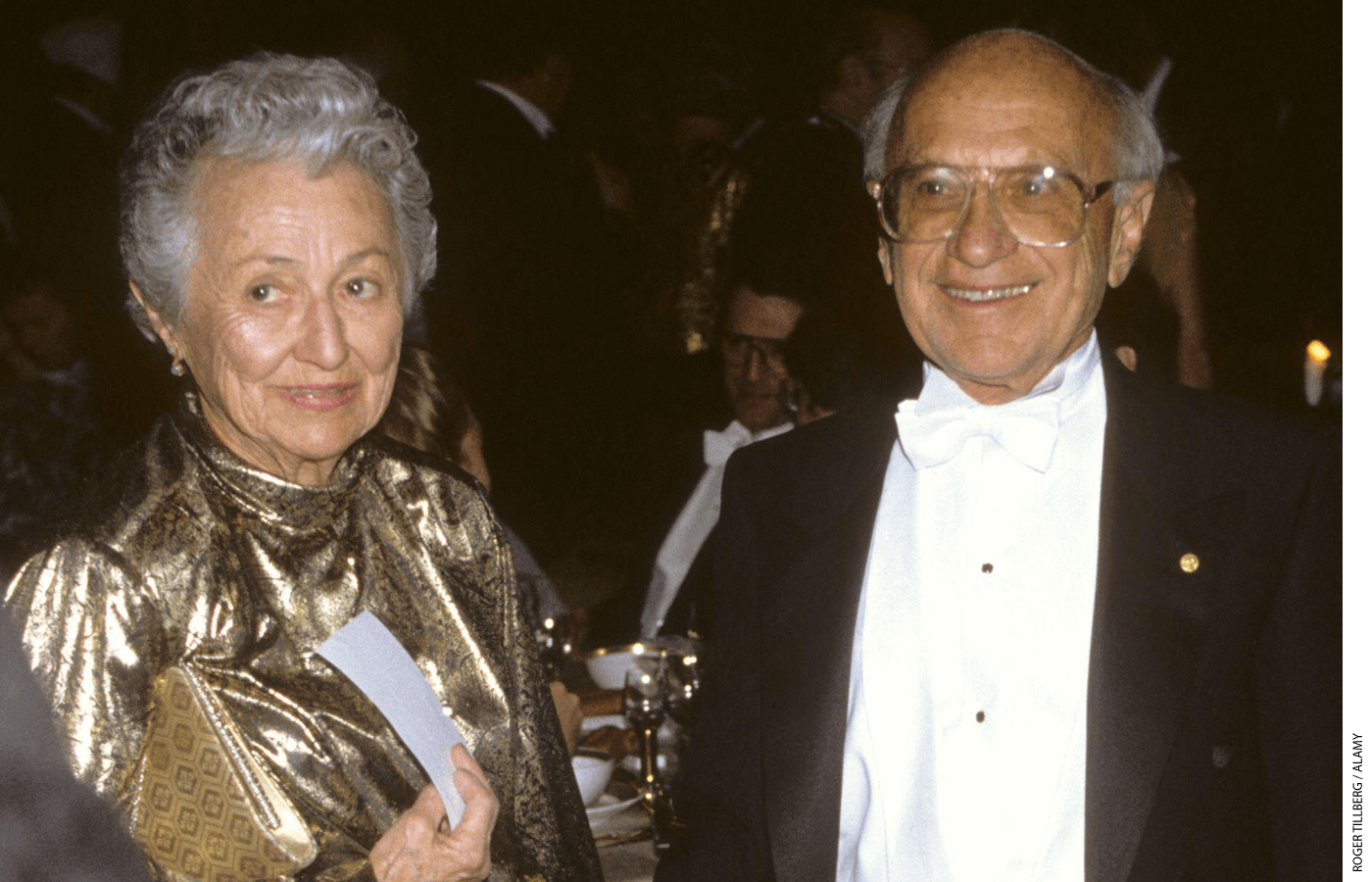
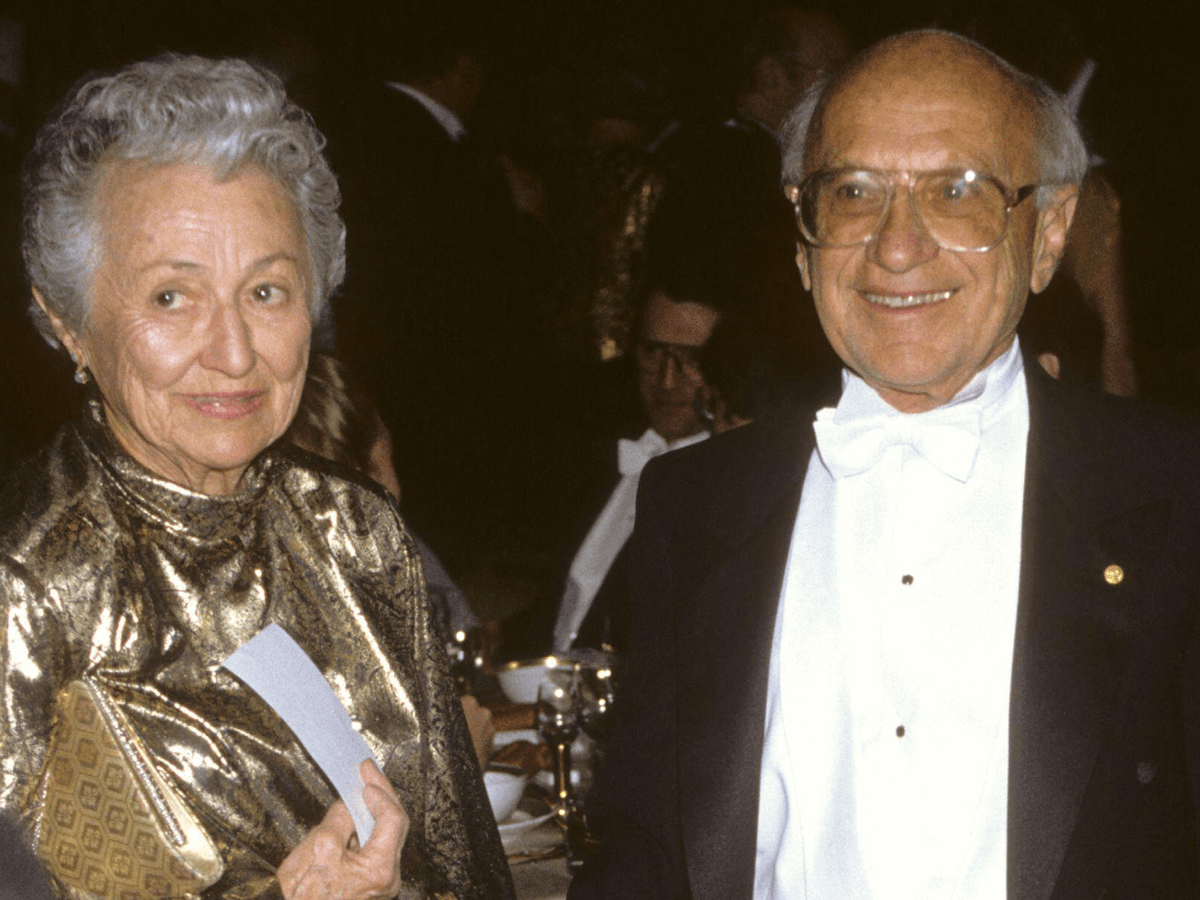
Thirty years ago last month, Milton and Rose Friedman sat down with Gordon St. Angelo to establish what was first known as The Milton and Rose Friedman Foundation for Educational Choice, now known by the moniker EdChoice.
Back then, the idea of all families having choice in the type of school their child attends was just a pipe dream for the Friedmans. Indeed, they were frustrated that every effort to introduce choice, no matter how small, was failing. EdChoice was their attempt to push the ball forward, by educating the public about the need for and benefits of school choice.
Back then, the Friedmans had no hard evidence on what a state’s education landscape could look like at any point after the introduction of a universal choice program. There were small-town tuition-subsidy arrangements in New England, a small voucher program in Milwaukee, and ongoing experiments in places like Alum Rock, California. But these boutique models didn’t come close to what the Friedmans envisioned.
All they had was their imagination, which they used in a 1998 article for the School Choice Advocate entitled “Who Wins, Who Loses—A Look at the Future.” The premise was simple: who would be the winners and losers five years “after a populous jurisdiction has adopted a comprehensive voucher program” that “can be used at any recognized public or private school, secular or religious, non-profit or for-profit”? They posited that the winners would include teachers, employers, students who receive vouchers, and students who remain in public schools. The losers would include bureaucrats, teachers’ unions, and some politicians.
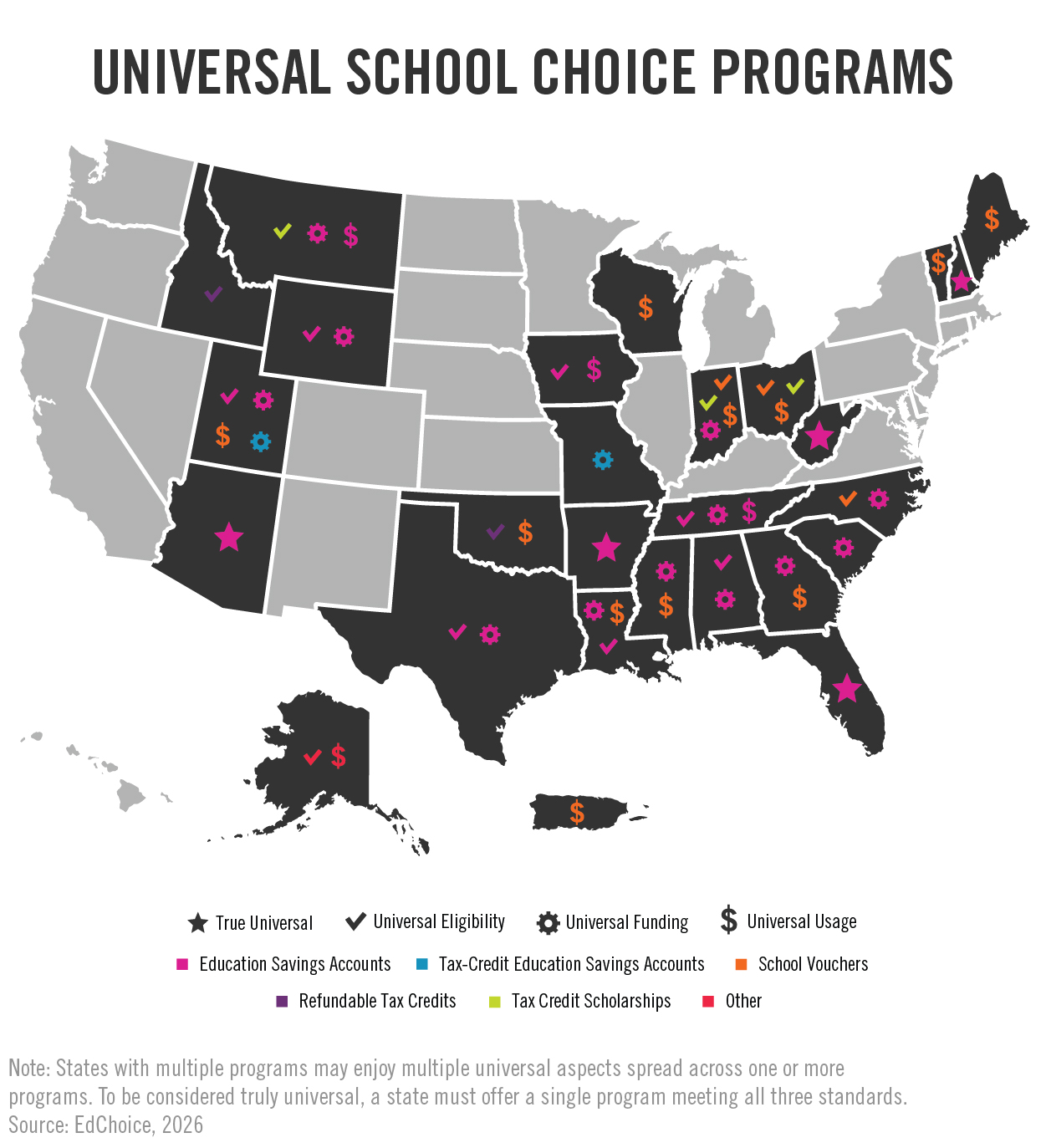
Thirty years later, thanks in no small part to the work of the Friedmans’ legacy foundation, we can identify who have been the real winners and losers from universal educational choice and see if their predictions were correct. We need only look at Florida, Arizona, Iowa, Indiana, Ohio and West Virginia, where universal or near-universal choice has been in place for at least five years.
Winners
First, let’s look at the clear winners.
Students who participate in universal choice and charter programs. No child is forced to participate in a choice program, so when families switch schools, there is usually a reason. EdChoice polling points to everything from escaping bullying to receiving more individual attention as factors driving school choice. Research shows these students often thrive once they enter their new school communities. A recent study of the voucher program in Ohio, for example, found positive long-term effects on college enrollment and graduation. This is consistent with a broader body of research showing students in choice programs are more civically engaged, more tolerant, commit less crime, and matriculate and persist in college at higher rates. The kids are winning.
Students who remain in traditional public schools. Children who remain in traditional public schools are better off than they were before the introduction of universal choice. They are doing better in math and reading, and they are absent less. They also graduate and matriculate into college at higher rates. These patterns have been documented repeatedly in different places by different research teams. According to a 2023 study by David Figlio, children who remained in Florida public schools after the state enacted universal choice have done better on math and reading assessments and have experienced less absenteeism. A 2025 study by Figlio and Matthew Chingos shows that children who stay in public schools in Ohio graduate and go to college at higher rates as a result of broad educational choice. The competition caused by choice is working, and kids in public schools are winning.
Parents and families. Families in choice-friendly states are finally gaining access to the diverse education options they have long said they wanted. For years, EdChoice polling has asked parents where they would send their child if cost were not a barrier. Only about 44 percent say they would choose a public school, while 48 percent would prefer private, charter, or homeschooling options. Yet the reality looks very different: Nationally, about 74 percent of students still attend traditional public schools. But in choice-rich states like Arizona, Arkansas, Florida, Indiana, and Ohio, this is not the case—more students are being educated outside their zip code–assigned school. As universal choice takes hold in these regions, parents are being offered and getting what they want for their children’s education. As a result, parent satisfaction with school choice, particularly among lower-income families and families of color, is through the roof in these states. Families are winning.
Private schools. According to data from Susan Pendergrass, while the number of private schools is flat or even down nationwide, states with universal programs like Arizona, Florida and Ohio are seeing increases. In Arizona the number of private schools grew from 314 in 2011 to at least 400 in 2021; just one year after the state’s education savings account (ESA) program went truly universal in 2022, the number of participating private schools and vendors went from 510 to 661. Florida’s private sector grew from 1,875 schools in 2011 up to 2,737 in 2022. Ohio jumped from 852 to 1,400 in the same period. In Indiana, private schools that were once half empty are now bursting at the seams and looking to expand. The results are clear: Private schools are winning.
Education entrepreneurs. The explosion of universal ESAs has led to a dramatic increase in education entrepreneurship in America. Groups like the Yass Prize, Vela, the National Microschooling Center, and the National Hybrid Schools Project all report massive increases in micro- and hybrid schooling. New organizations like KaiPod, Primer, Outschool, and Prenda have jumped into building innovative school models, and all are growing. The National Microschooling Center estimates there are now roughly 95,000 microschools serving about 1.5 million children. In choice-rich states like Florida, Arizona and West Virginia, millions of parent-directed education transactions are processed every year, and the funds are not going just to private schools. Parents are taking advantage of the opportunity to customize their child’s education. Compare ESA spending in Arizona in 2013, for example, when 72 percent of all participating families used their account exclusively for tuition, to 2023–24, when only 13 percent did so—and a whopping 87 percent used their ESA in multiple ways with multiple vendors. Five years after the rise of universal educational choice, education entrepreneurship has exploded onto the scene and is here to stay. Innovation is winning.
Politicians who supported choice. Since 2016, support for educational choice by legislators, particularly Republicans, has expanded dramatically. They have learned through experience that backing school choice is not political suicide. In fact, the opposite is true. Governors like Greg Abbott, Kim Reynolds, Sarah Huckabee, Kay Ivey, Ron DeSantis, and Doug Ducey have all proven that educational choice is a winning issue. One anecdote demonstrates this sea change. A State Speaker of the House in the Midwest told me that school choice used to be one of the toughest votes in caucus, and now it is one of the easiest. Politicians who support choice are winning.
Losers
Not everyone has come out on top five years after universal educational choice. Here are the losers.
Taxpayers (in the short term). As researchers like Marguerite Roza have pointed out, traditional public schools have responded poorly to declines in student enrollment, caused partly by choice but more so by falling birth rates. Even as student numbers drop, staffing (especially non-teaching) and spending is still rising in most districts. That mismatch strains budgets and limits resources available for teacher pay. If districts continue to make irresponsible financial decisions in the face of changing student enrollment patterns, taxpayers will be stuck with the bill. School choice makes for a convenient scapegoat, but the real blame falls on districts that refuse to adjust spending to match enrollment.
Bureaucrats who refuse to respond to parent demand. Some of the biggest losers from the expansion of education options are traditional public school district leaders who refuse to recognize the shift away from a one-size-fits-all system. As parents have gained options and power, districts like Baltimore City Public Schools and Indianapolis Public Schools are fighting tooth and nail to keep everything the same. Burying your head in the sand is not a viable long-term strategy to respond to the rise of school choice. Parents are tired of sending their kids to schools that don’t respond to bullying, anxiety, or poor instruction.
Teachers union officials. There is little doubt that how teachers unions have responded to the pandemic and the rise of universal choice are among the key reasons for recent declines in union membership. According to a report in The 74, the National Education Association lost over 160,000 members between 2018 and 2024—a more than five percent decline. The disposition of union leadership toward Covid-19 school closures (pro) and school choice (hatred) flies in the face of what parents want and need. Almost all polling on educational choice shows that union officials are on the wrong side of the choice issue. That is truly unfortunate. Teacher morale is at an all-time low, and they could really use an effective advocate for their needs in an ever-changing, competitive environment. Ironically, education savings accounts, which are supported 74 percent of teachers, could empower teachers with more opportunities
Old school reformers. While parent and policymaker support for a broader, unrestricted version of universal choice has increased, there are some reformers still stuck in the old-style mode of technocratic education reform. They like school reform as it used to be, not how it is now. The old guard believes and acts as if they know the best levers to pull to make change, and that free-market educational choice is too messy. They have a particular vision of what “accountability” looks like, what data should be collected, and what should be done when schools fail to meet their standards. But the world has passed them by. Unless and until they recognize that education reform is now a bottom-up enterprise instead of a top-down one, they will have the same conversations with the same people and no impact at all on policy.
The Winners of the Future
Finally, let’s look at some of the future winners.
Taxpayers (in the long run). If past is prologue, public school systems will not improve their financial discipline unless they are forced to. This creates an opening for school choice. ESA programs in particular can encourage more careful spending by giving families incentives to stretch education dollars further. In turn, lawmakers can better control budget growth, and more education funding can flow to classrooms instead of to distant district officials. Over time, school choice can introduce a level of financial discipline that the current system has struggled to achieve on its own. Research by EdChoice’s own Marty Lueken shows that existing educational choice programs are already saving taxpayers money, especially at the local level, and that these savings will grow over time.
EdNext in your inbox
Sign up for the EdNext Weekly newsletter, and stay up to date with the Daily Digest, delivered straight to your inbox.
Society as a whole. Like Milton and Rose Friedman, I believe that society as a whole will be a big winner from universal choice. As competition works its wonders, we will see a reduction in the gap between the haves and have nots, more access to education opportunities for children from lower income families, less crime, more tolerance, and more tax revenue arising from a more educated workforce. And, while we are seeing some early fruits—choice is contributing to less crime and higher college attendance rates, for example—we are still a few years away from witnessing the full benefits to society of the universal choice explosion. Ultimately, educational choice has the potential to deliver opportunities for more successful lives and a stronger society.
Teachers. In poll after poll, teachers say that their morale is very low and few would recommend the profession to their peers. Public schools have made many anti-teacher decisions in recent years, from discipline policies that make it much harder to manage classrooms to personnel decisions that prioritize hiring non-teaching staff instead of increasing teacher salaries. Something has got to give. Teachers could embrace the same educational freedom parents are embracing by starting their own microschools or finding new roles as educators outside the traditional system. We don’t yet fully know how educational choice will impact teachers, but something is beginning to shift.
Democratic politicians. While there have been some encouraging examples of Democratic politicians who have supported choice over the years—Jason Hughes from Louisiana and Mesha Mainor from Georgia, to name two—school choice has still not attracted widespread support from the Democratic party. There are many reasons for their resistance: increased polarization on the issue, the momentum of choice shifting to red states, and the lack of outreach from school choice advocates to Democrats after 2016. None of the reasons are good enough. The refusal of Democrats to support school choice belies the will of their constituents, who overwhelmingly support it. Democrats also fail to recognize that one of the biggest reasons to support choice is the potential for economic development in the urban areas where their party tends to have the most support. Some of the biggest future winners could be Democratic politicians who finally realize that educational choice is net positive for their constituents. Fortunately, groups like Democrats for Education Reform recognize this and are throwing their support behind more education options.
Five years into universal school choice, the evidence is clear: there are far more winners than losers, and the future looks even brighter. The Friedmans were right.
Robert C. Enlow is the president and CEO of EdChoice.
The post Who Wins, Who Loses—Revisited appeared first on Education Next.
Source: EducationNext
Please Follow Us:


Please Share:
